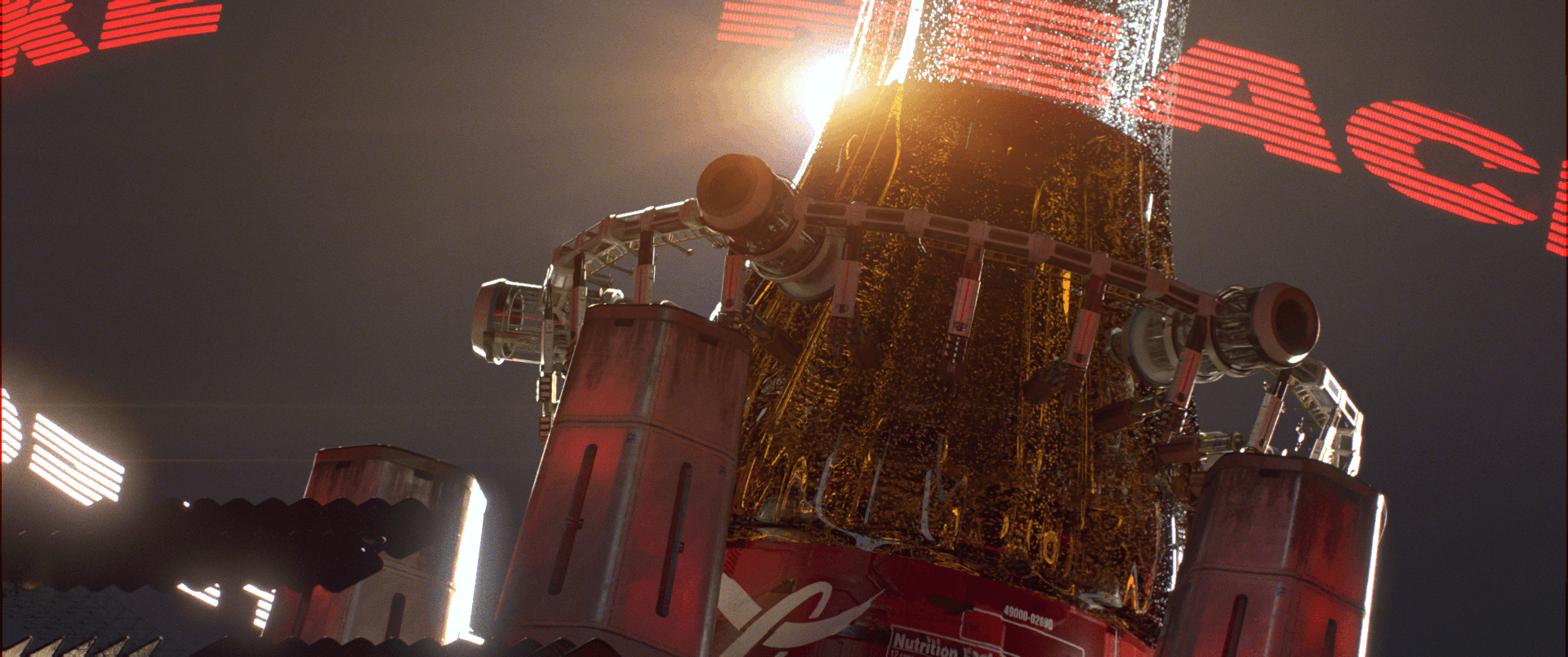
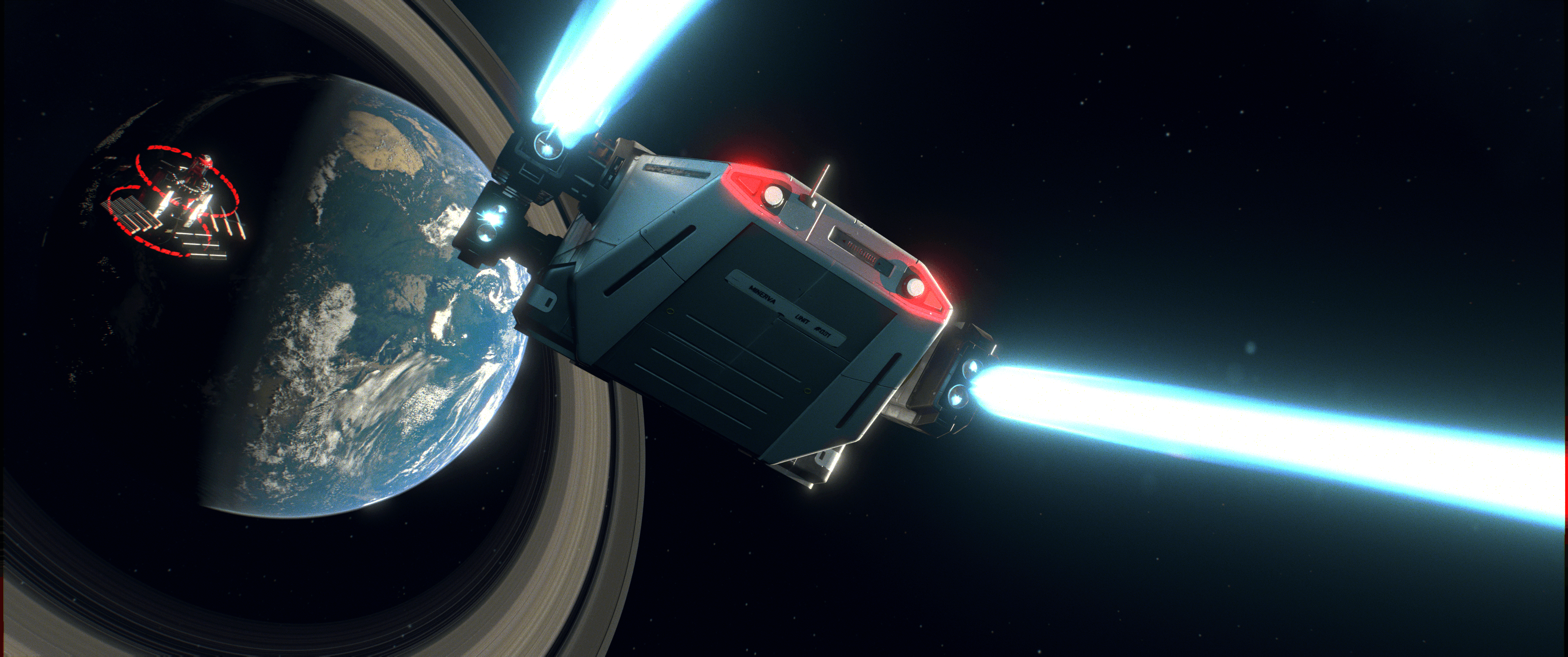
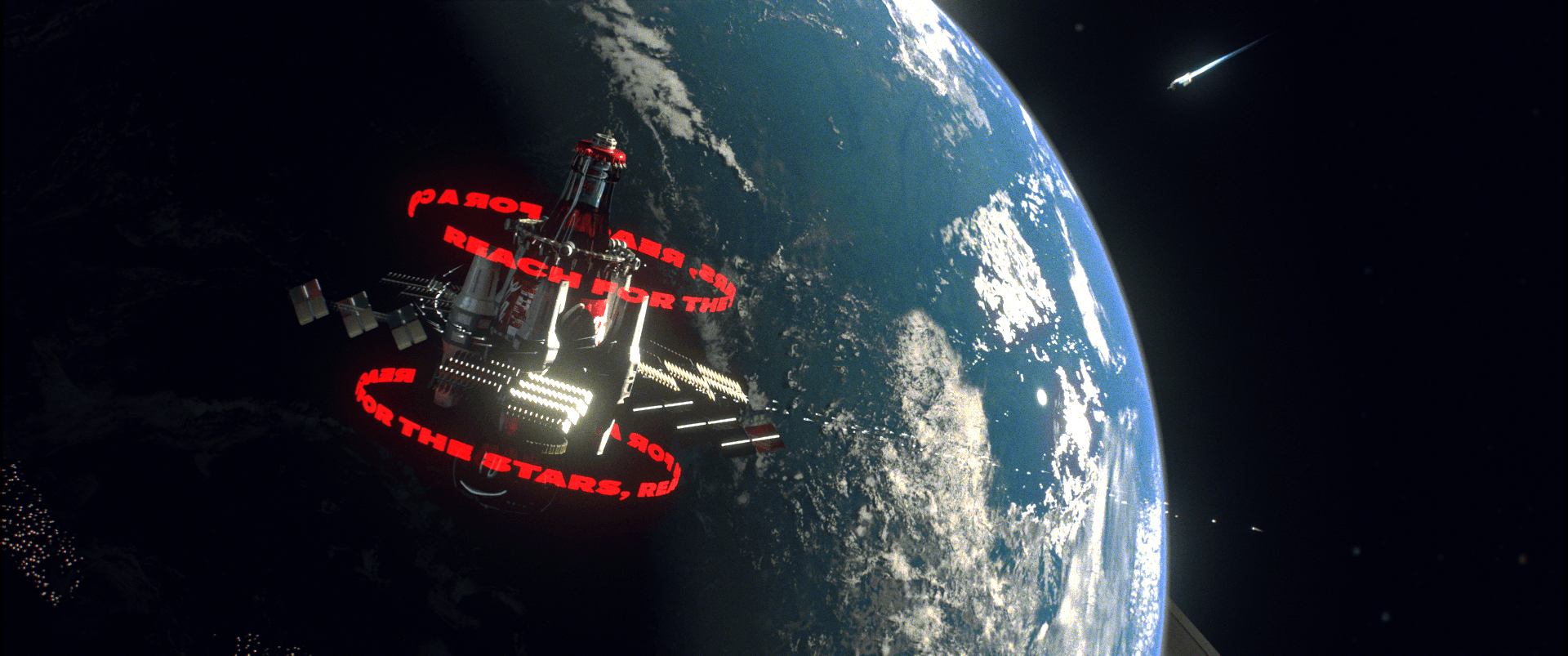
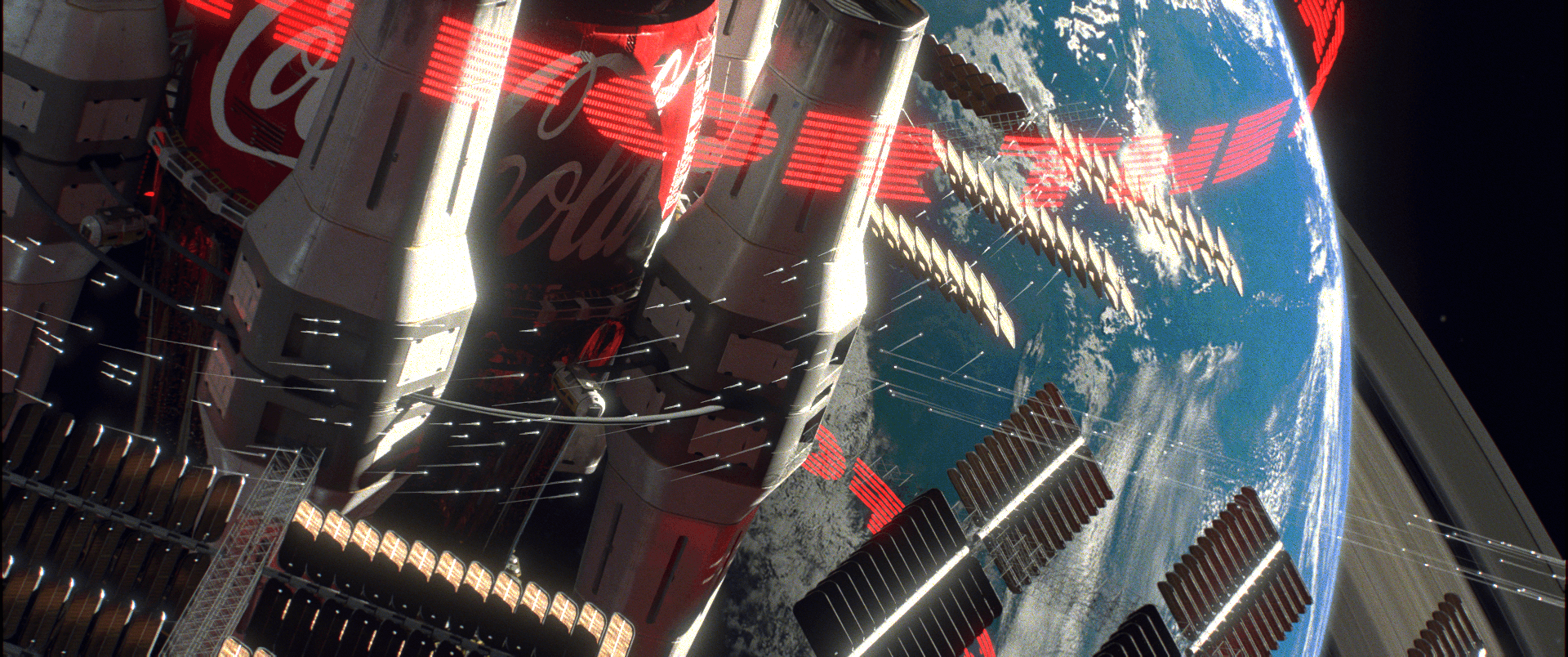
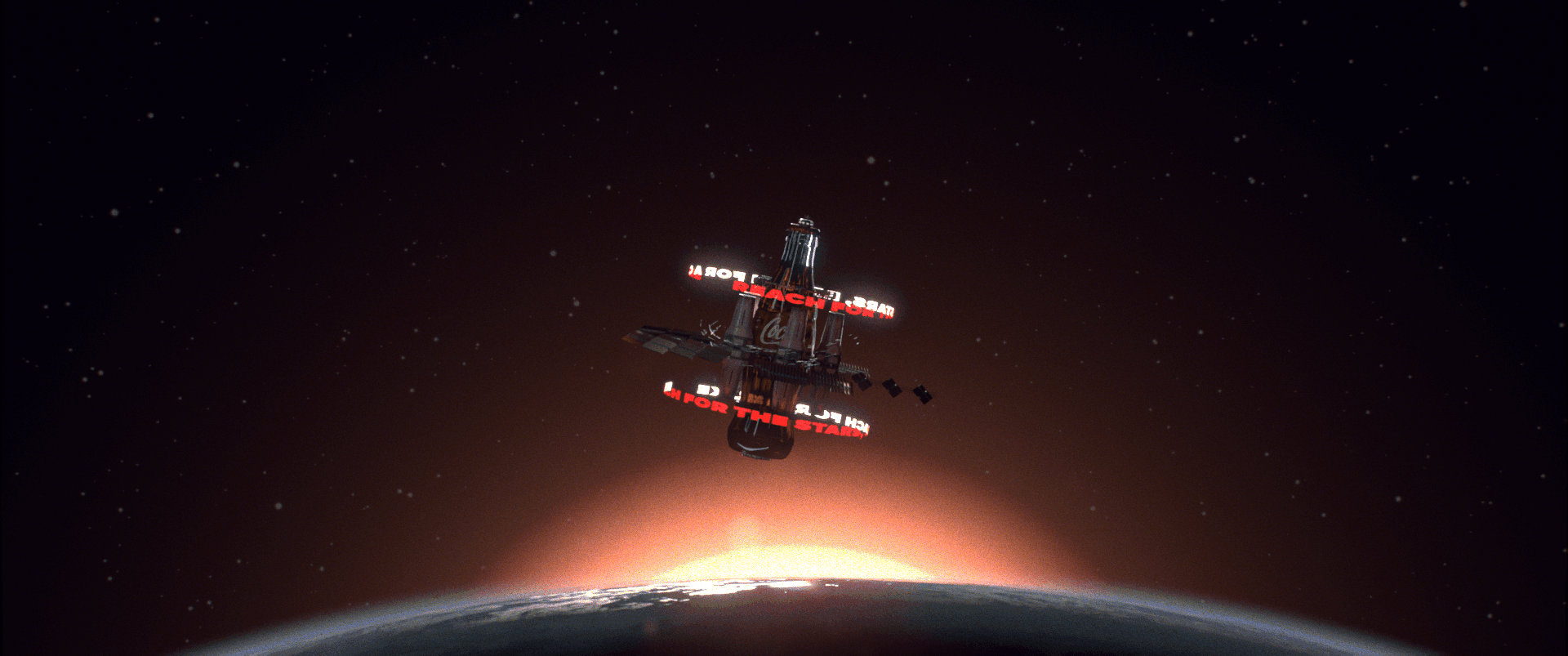
Create a 5-second proof-of-concept animation for Coca-Cola’s “Reach for the Stars, Reach for a Coke” campaign, using the provided bottle asset and at least one model from the “Mission to Minerva” kit.
Nov 13, 2025
Case study, 3D,
Houdini, Animation,
Karma, studentWork
Tags
Houdini, Cinema4D,
Nuke,
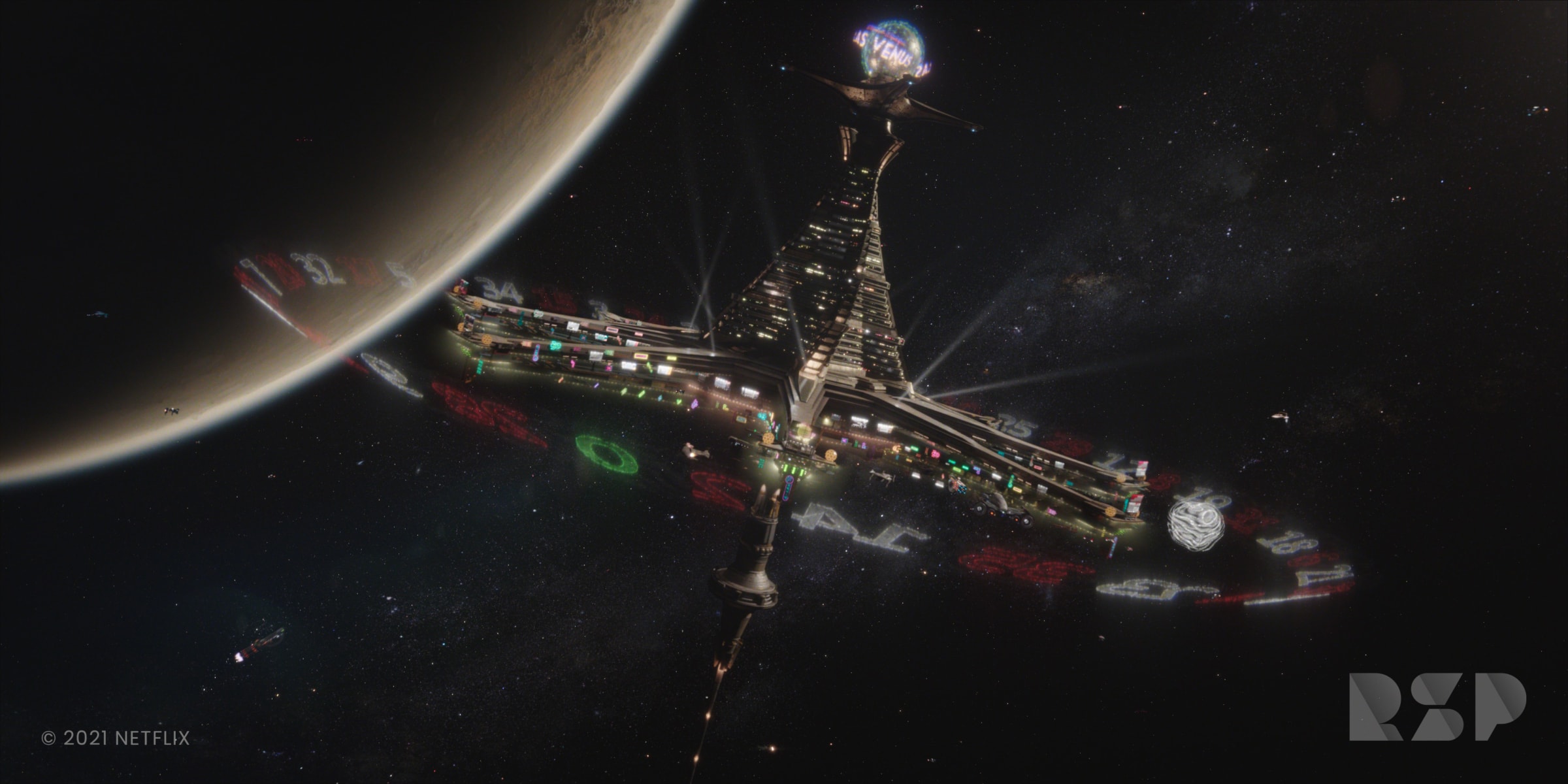
Coke is the energy you need to reach the stars
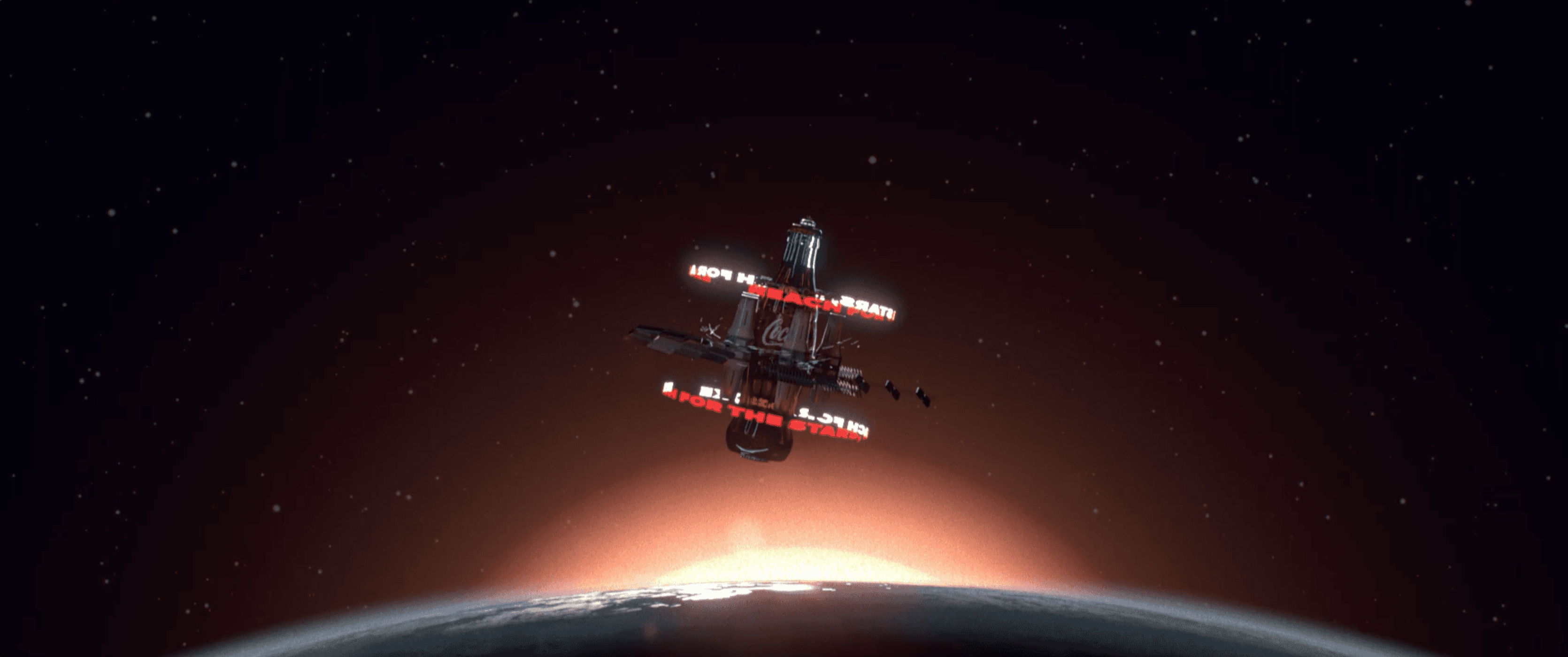
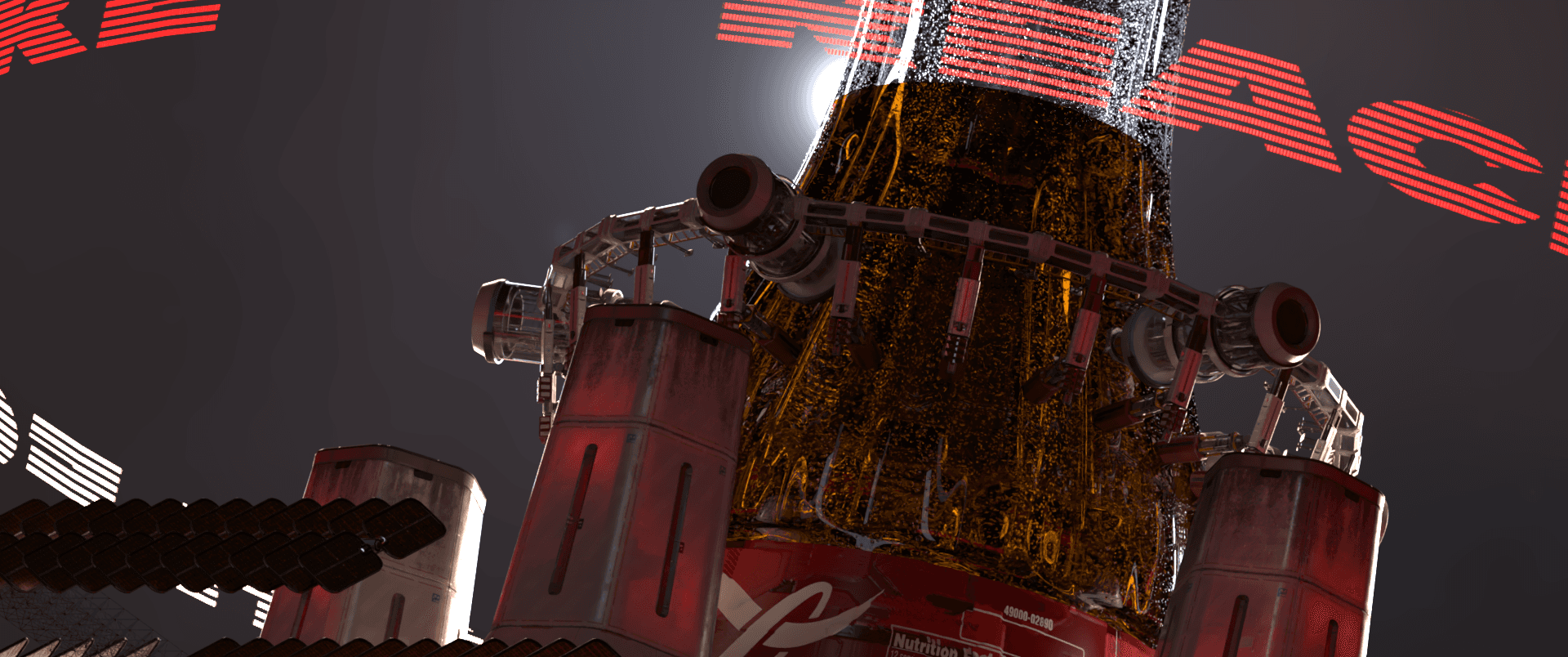
The ad concept imagines a massive Coca-Cola bottle as a space station where travelers fuel up before venturing into the stars. Inspired by Cowboy Bebop, the full ad would follow the fueling process and show Coca-Cola powering a hyperlight portal. This proof of concept focuses specifically on the space station itself, establishing the look, mood, and atmosphere of that larger story.
Why is this so harrrrrrd!
Being a new Houdini user is like being a fish out of water. I was having fun learning the software, but I also felt like I was getting nowhere for a while—and even after finishing the project, I know there’s still so much more to learn. That said, I did pick up some great things along the way: how satisfying it is to work procedurally, and how intuitive the node system eventually becomes. All in all, I can’t wait to jump into my next project.
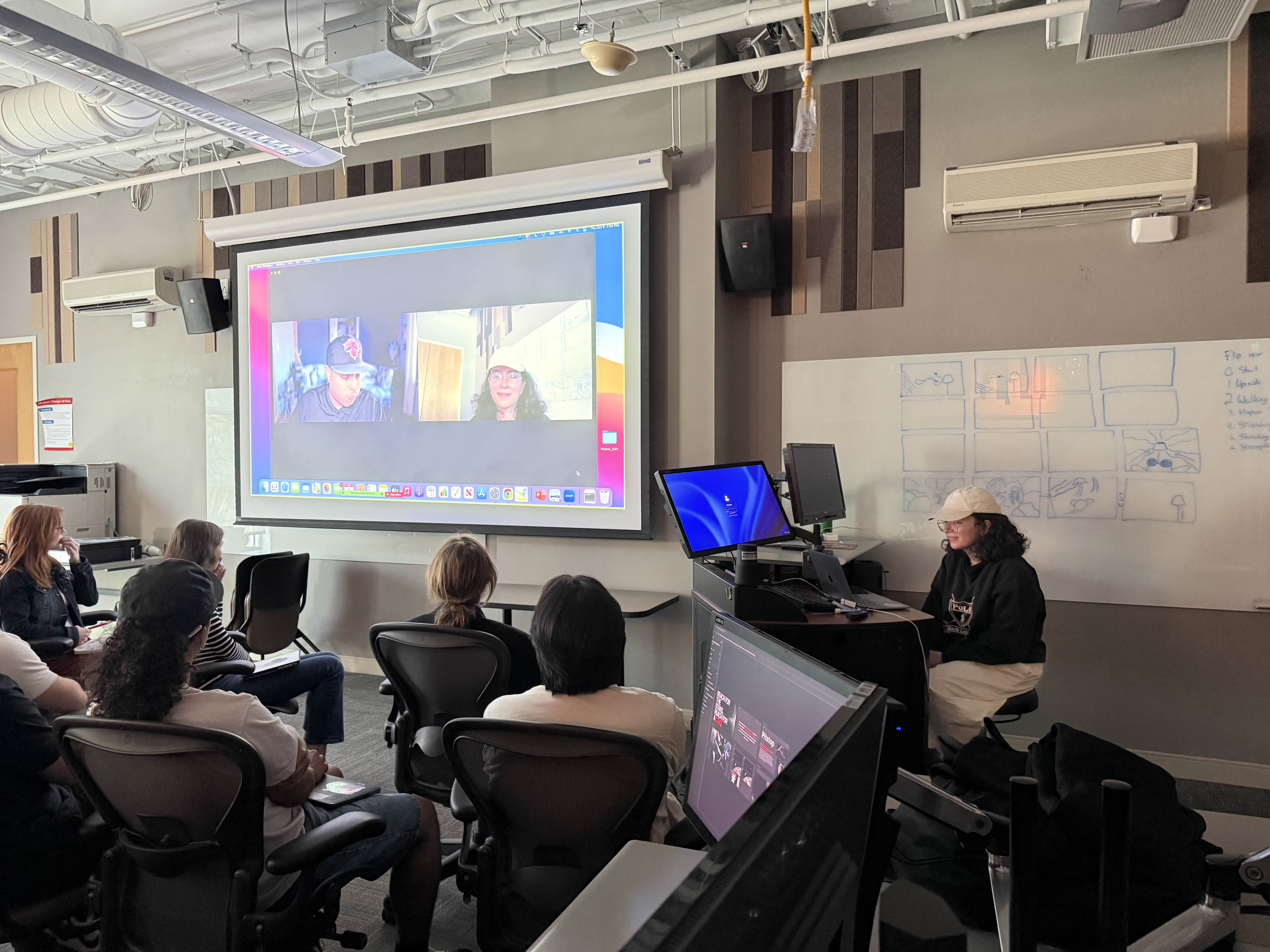
Pitching to the mock client
The next major step in the process was presenting our ideas to an industry professional and refining the pitch through conversation. Their feedback pushed me to rethink a few redundant or misplaced elements, ultimately helping shape a more focused and compelling direction. The pitch itself included research, initial style frames, and a clear, concise breakdown of what the client would receive.
#1
#2
#3
#4
#5
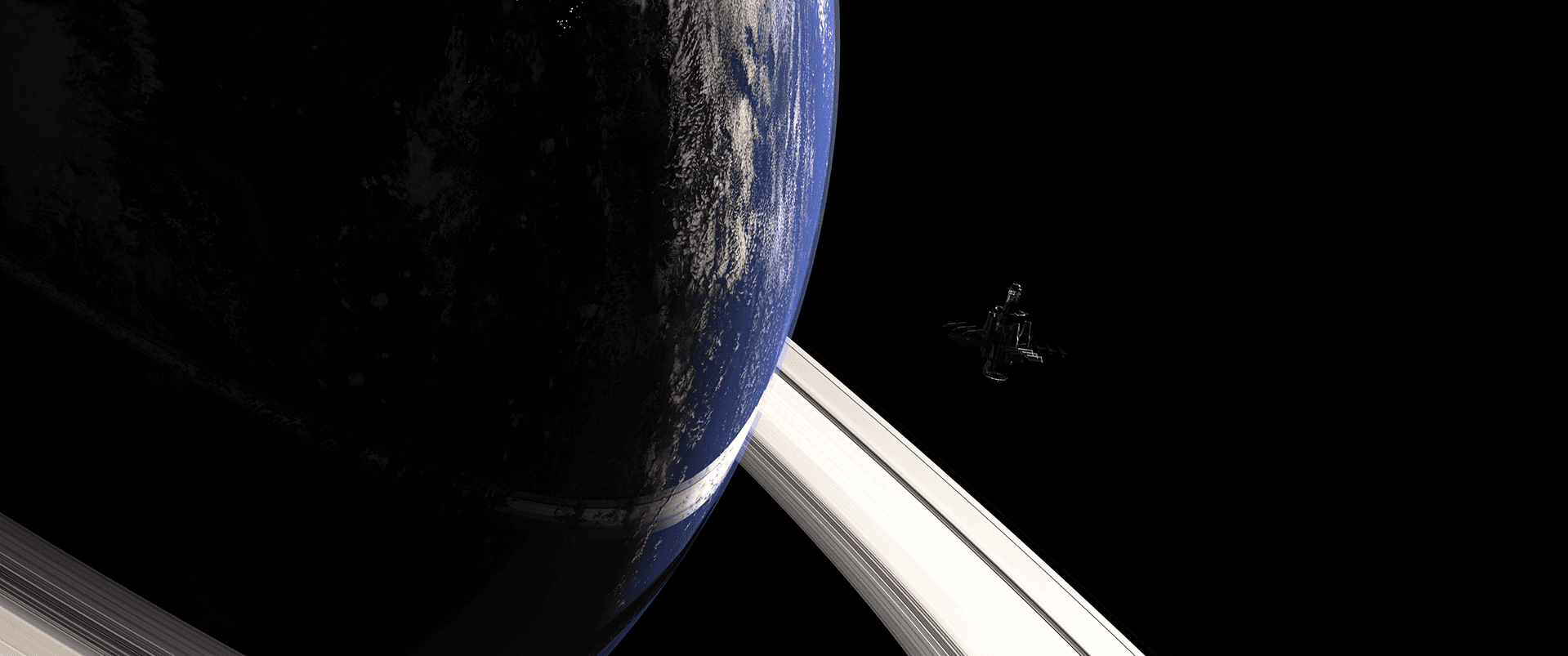
Very early version of the planet, testing composition
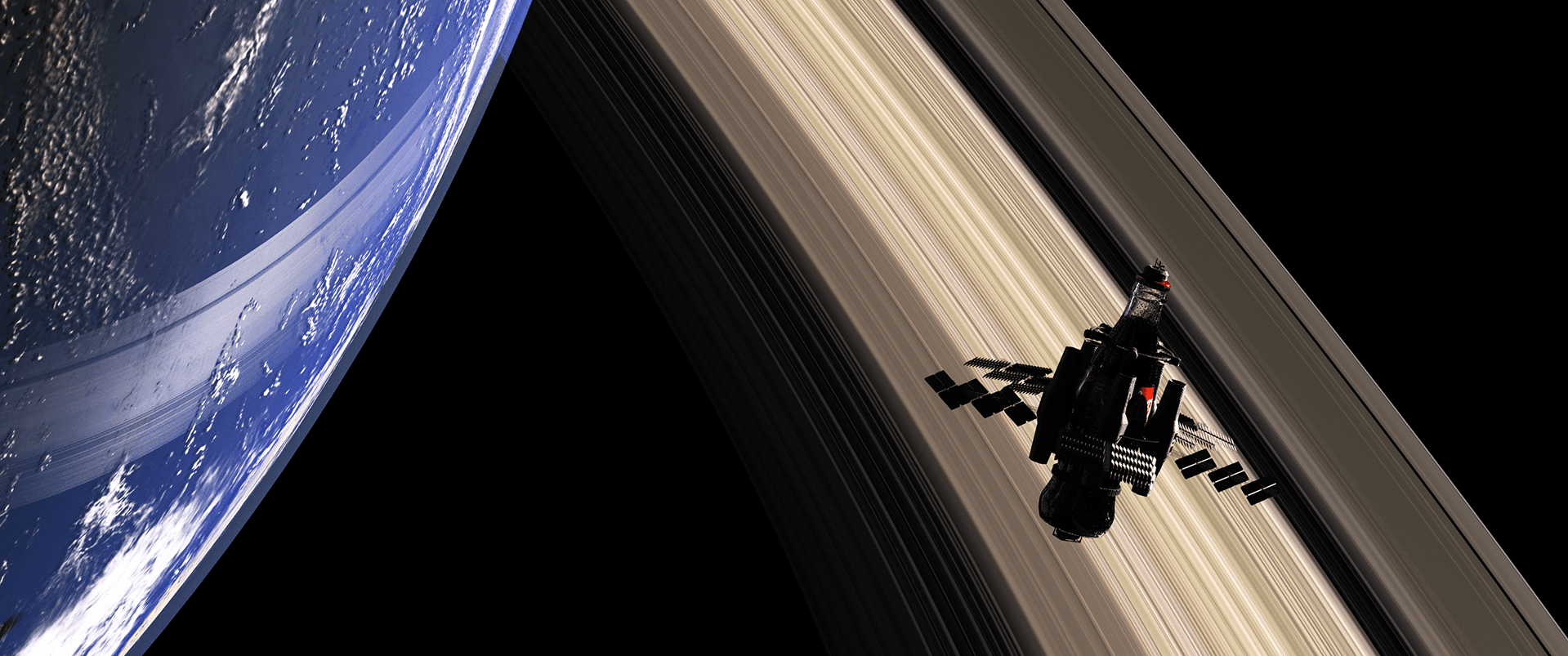
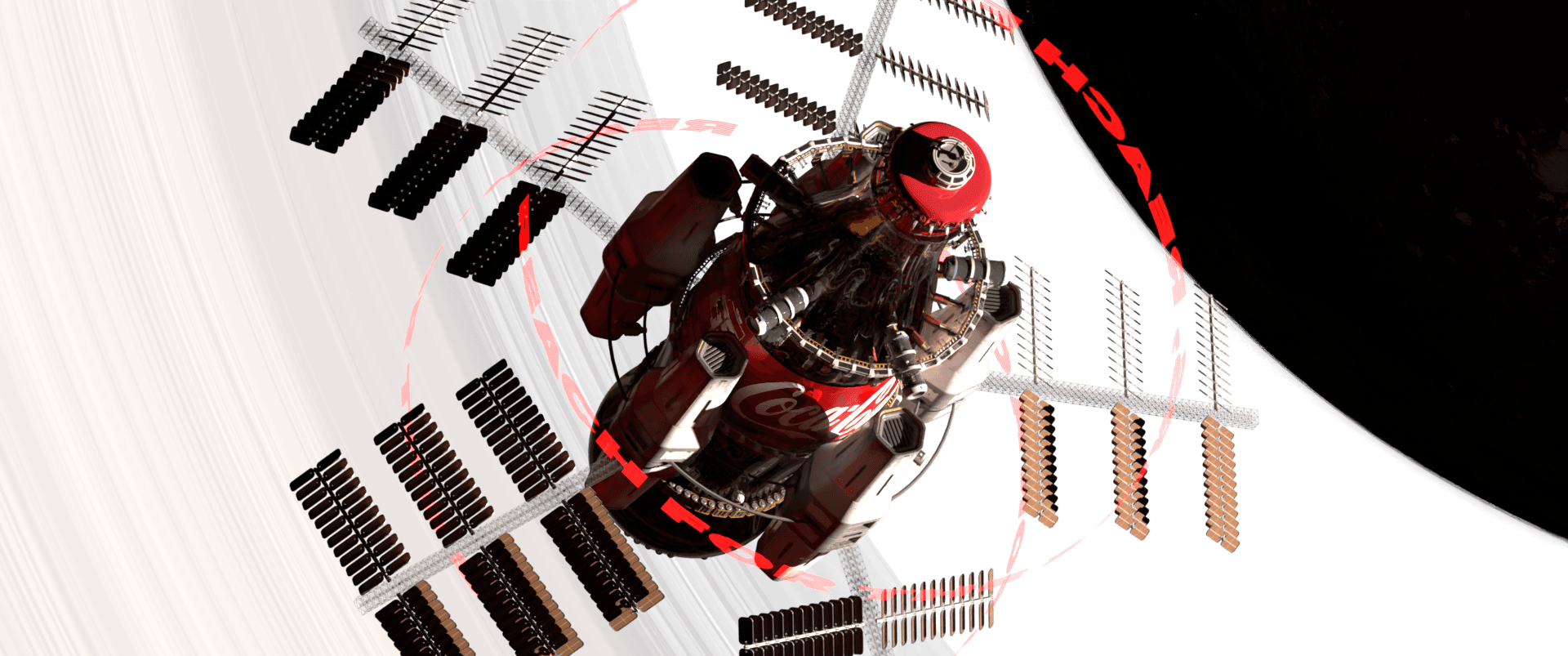
First look at some better lighting
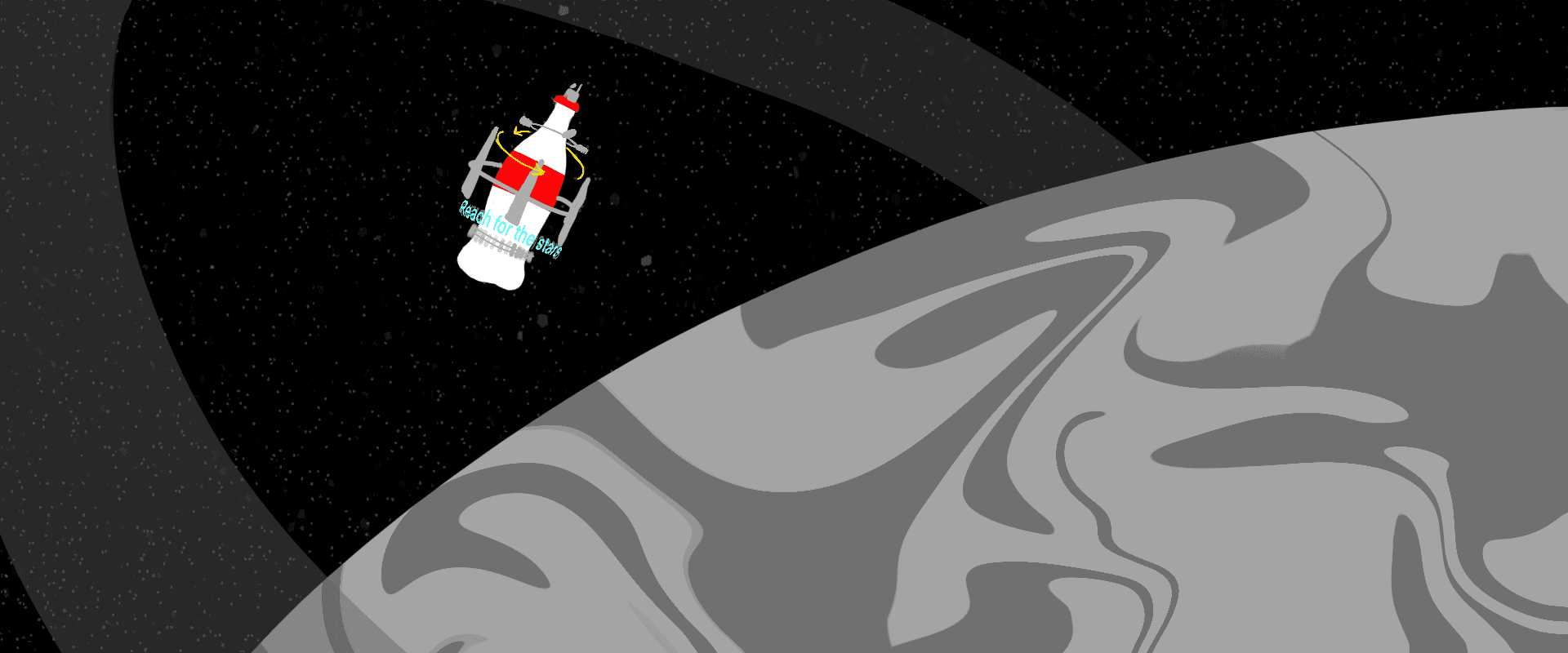
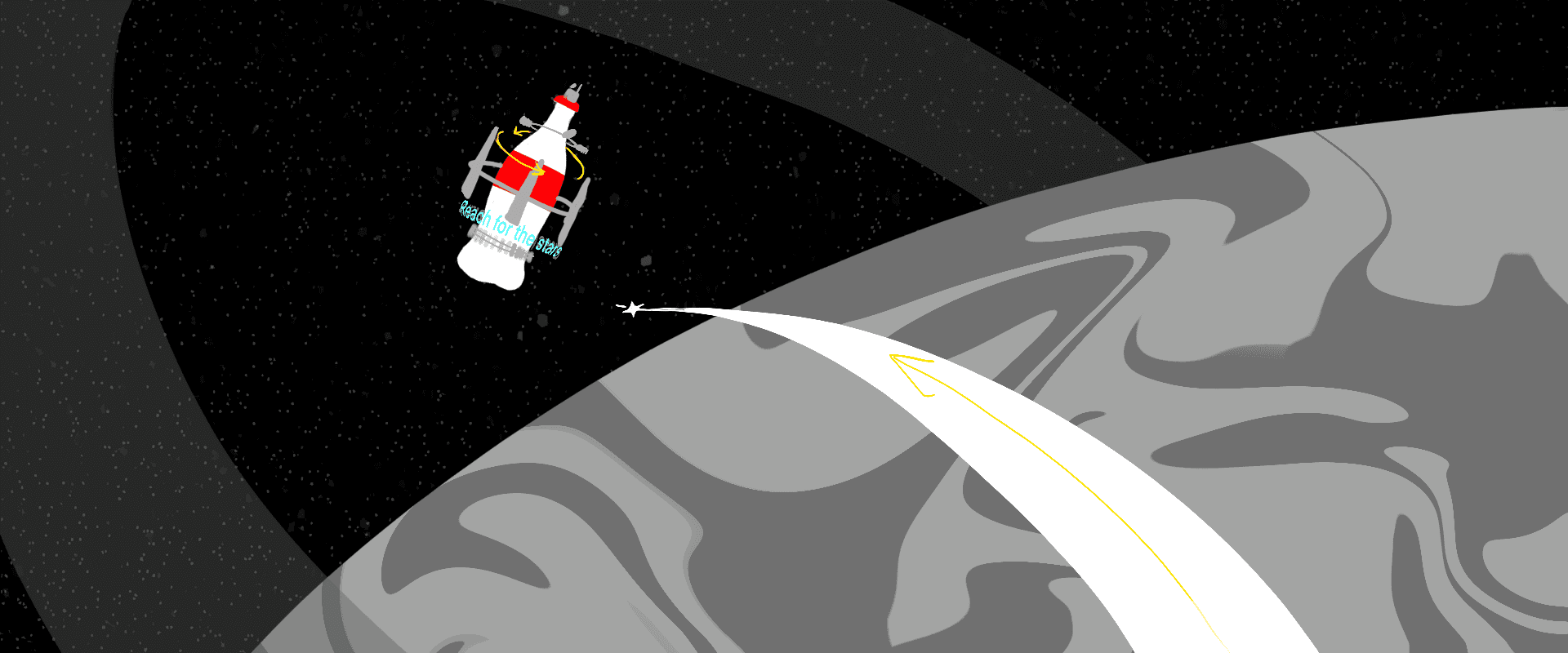
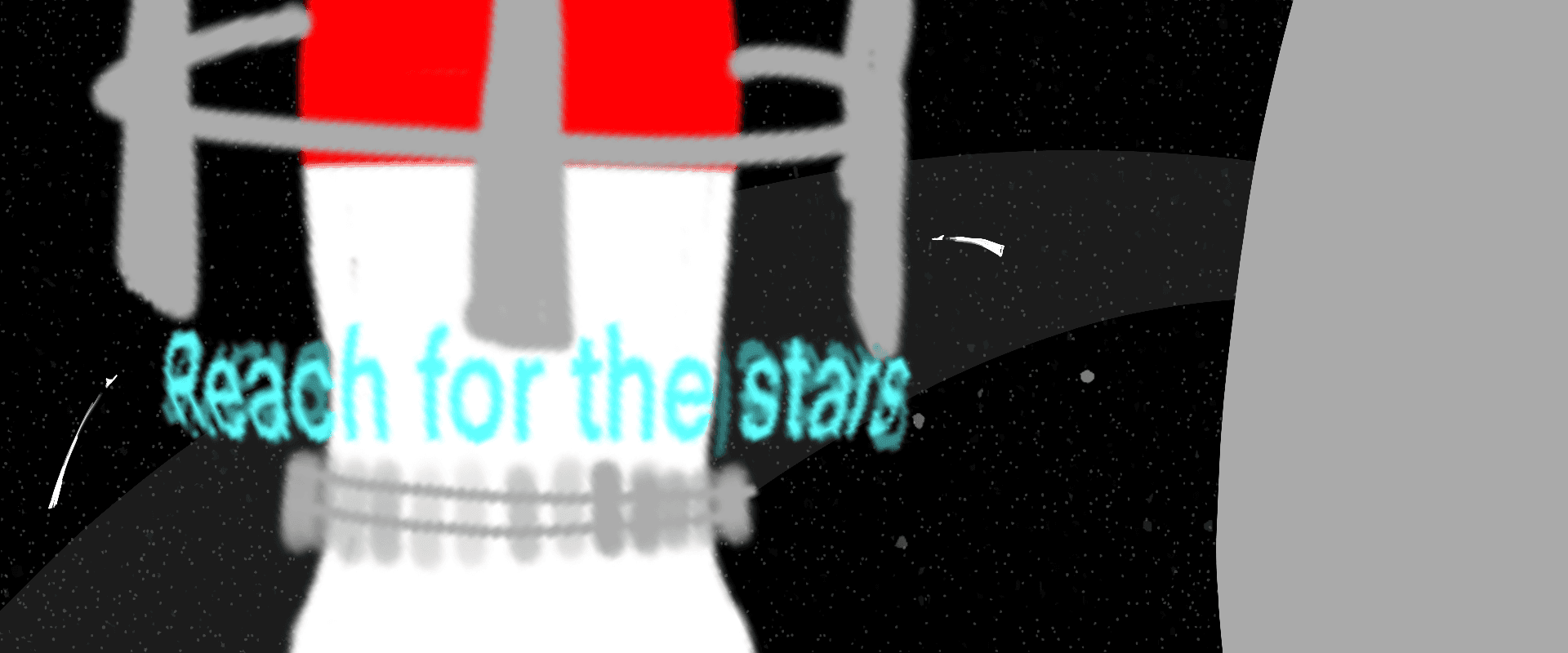
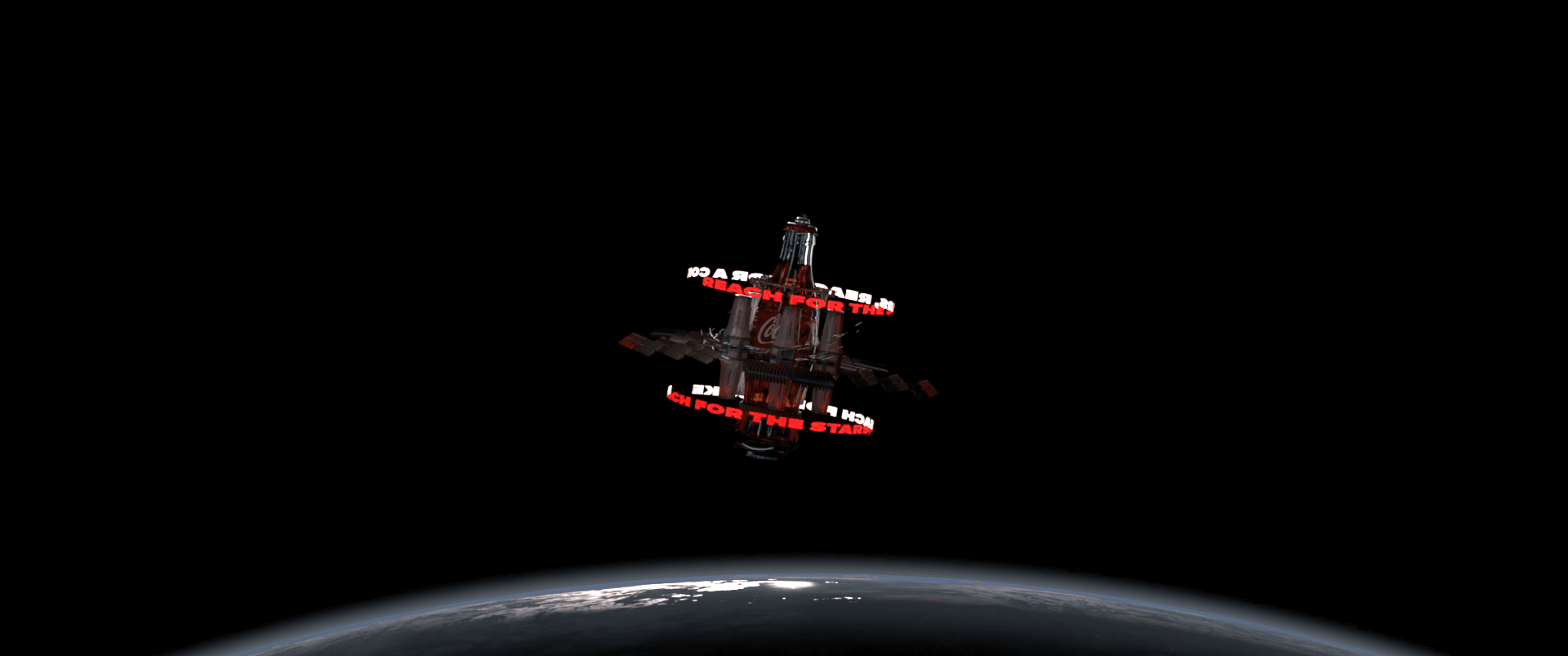
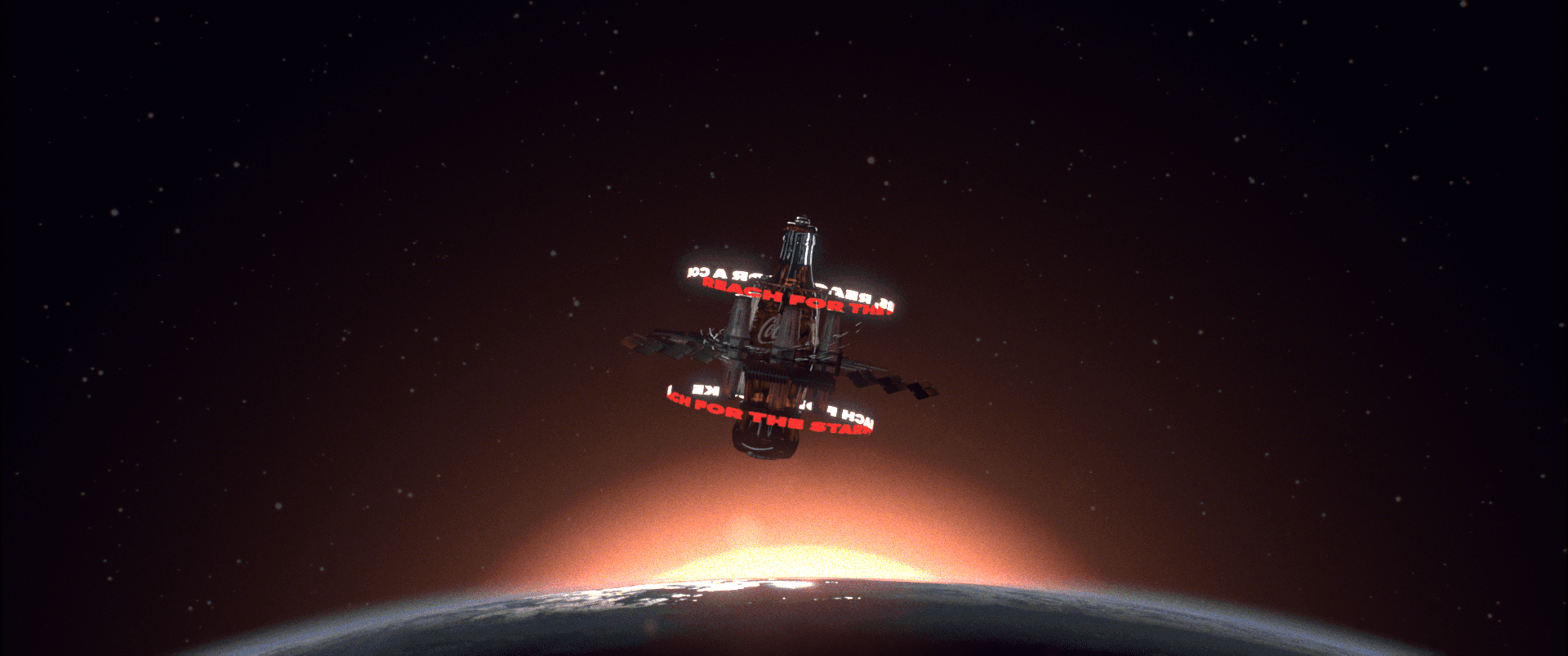
After pitching these initial style frames, I kept refining the lighting, textures, and a healthy mix of post-process passes. The most important note I received during this phase was that the space station didn’t feel large enough. So I shifted my focus toward composition, pushing the scale to read more dramatically and making the overall scene more engaging
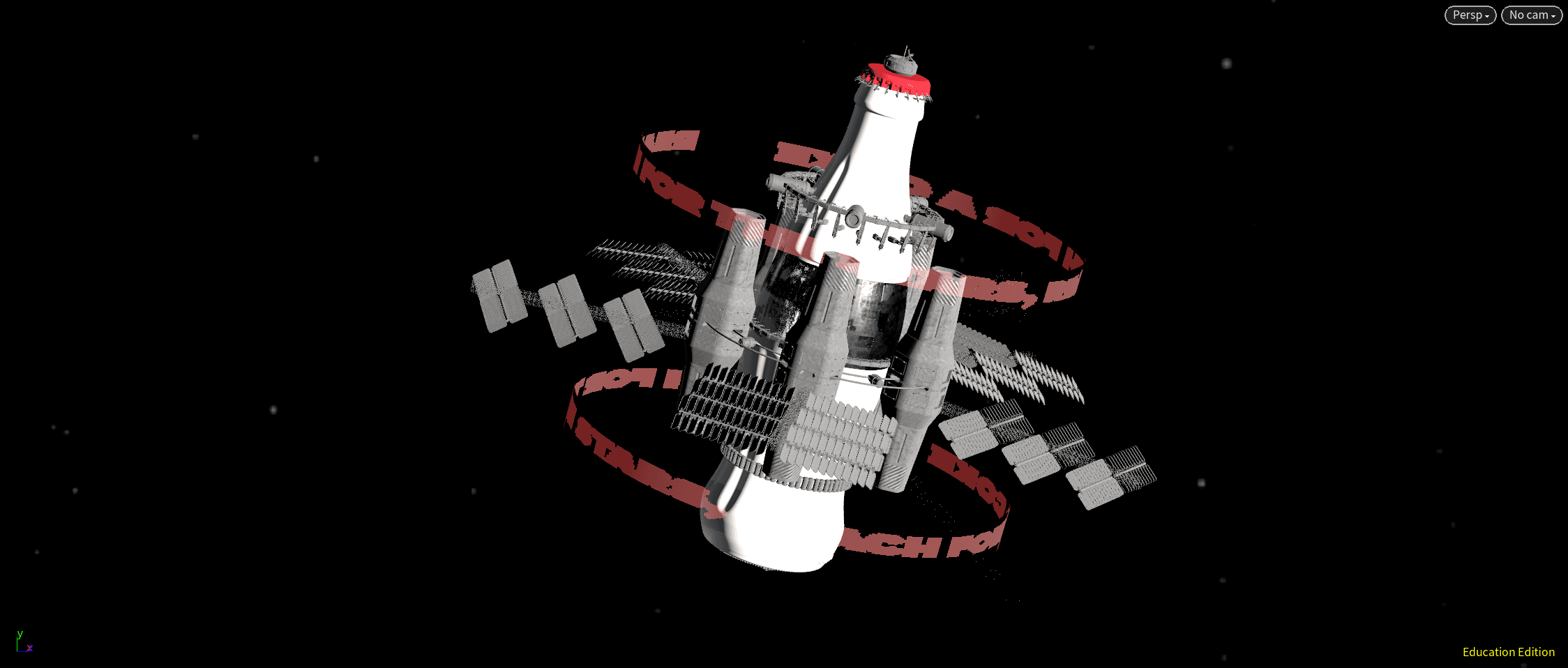
Space station final build all saved as a USD to make it more performant
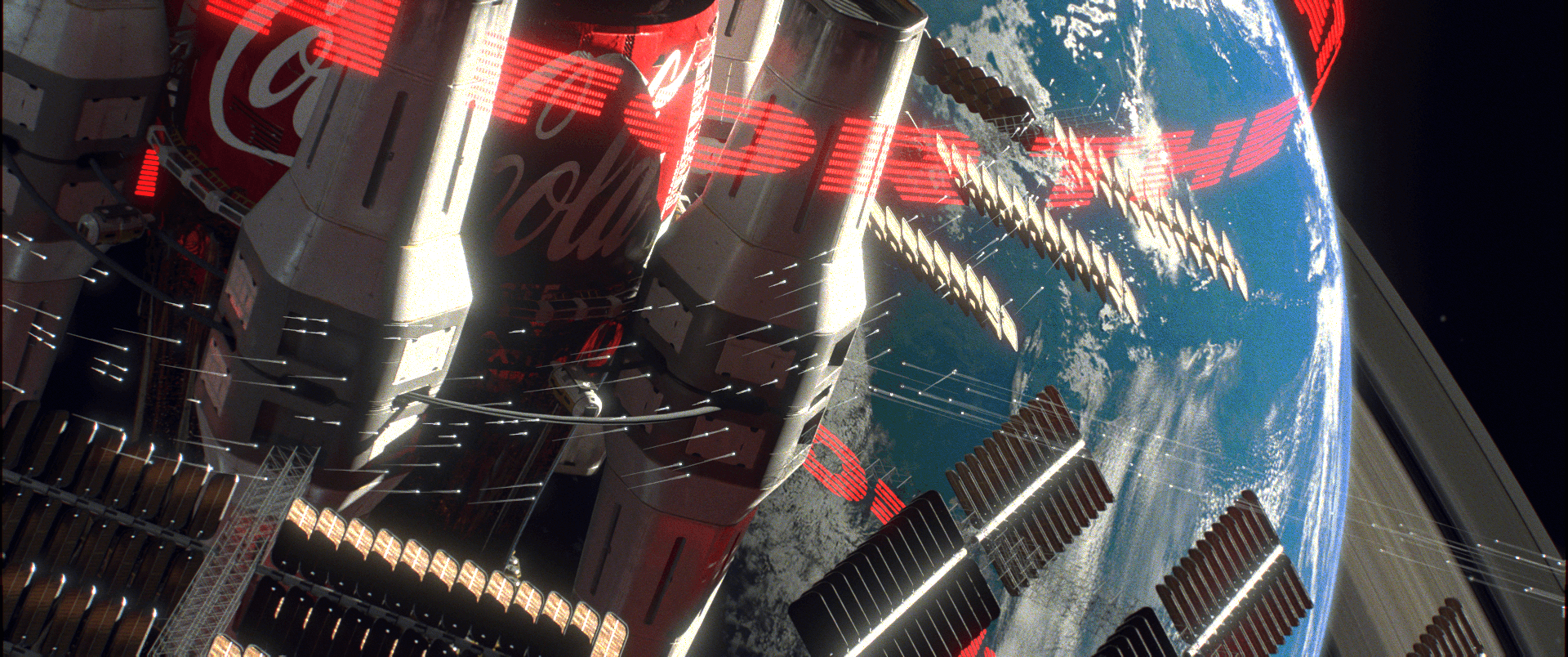
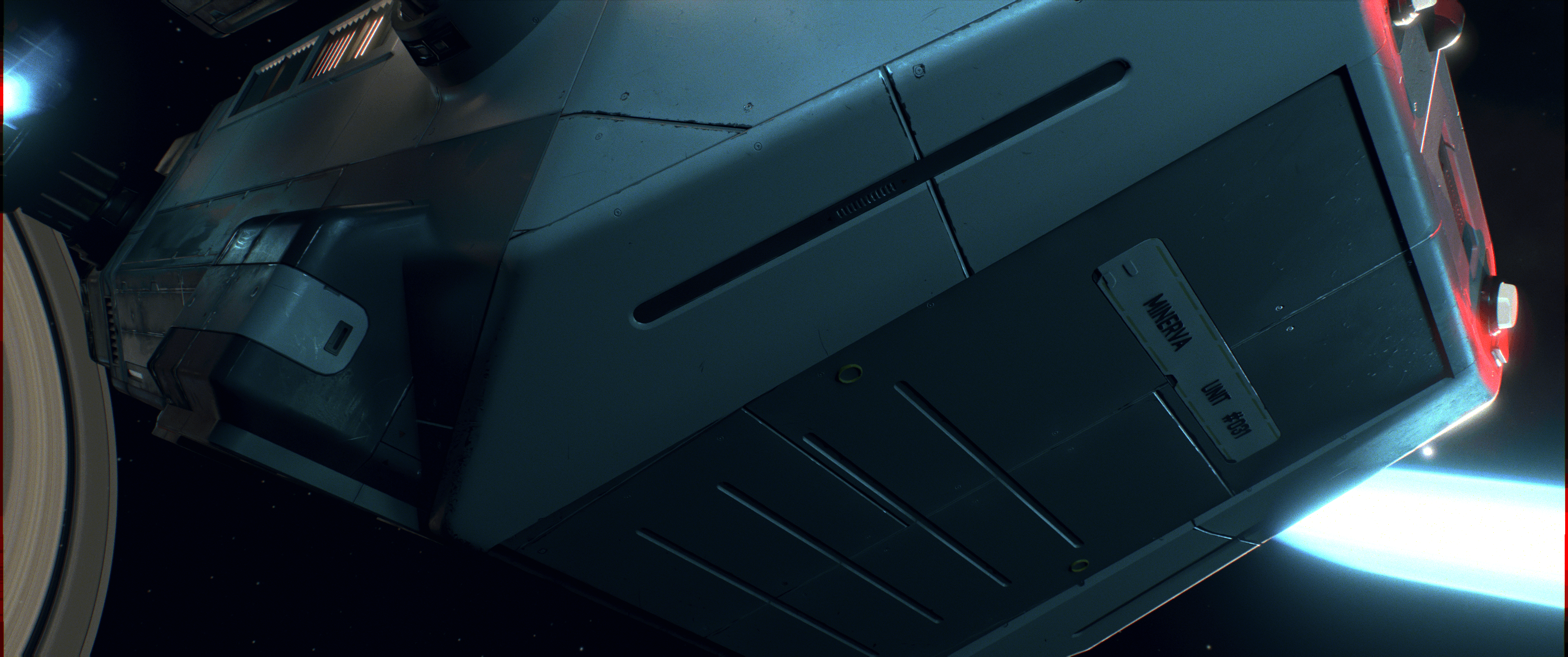
Using the KitBash3D assets, I did exactly what the name suggests and combined parts from the provided models to build a space station around the Coca-Cola bottle, transforming it into something larger than life.
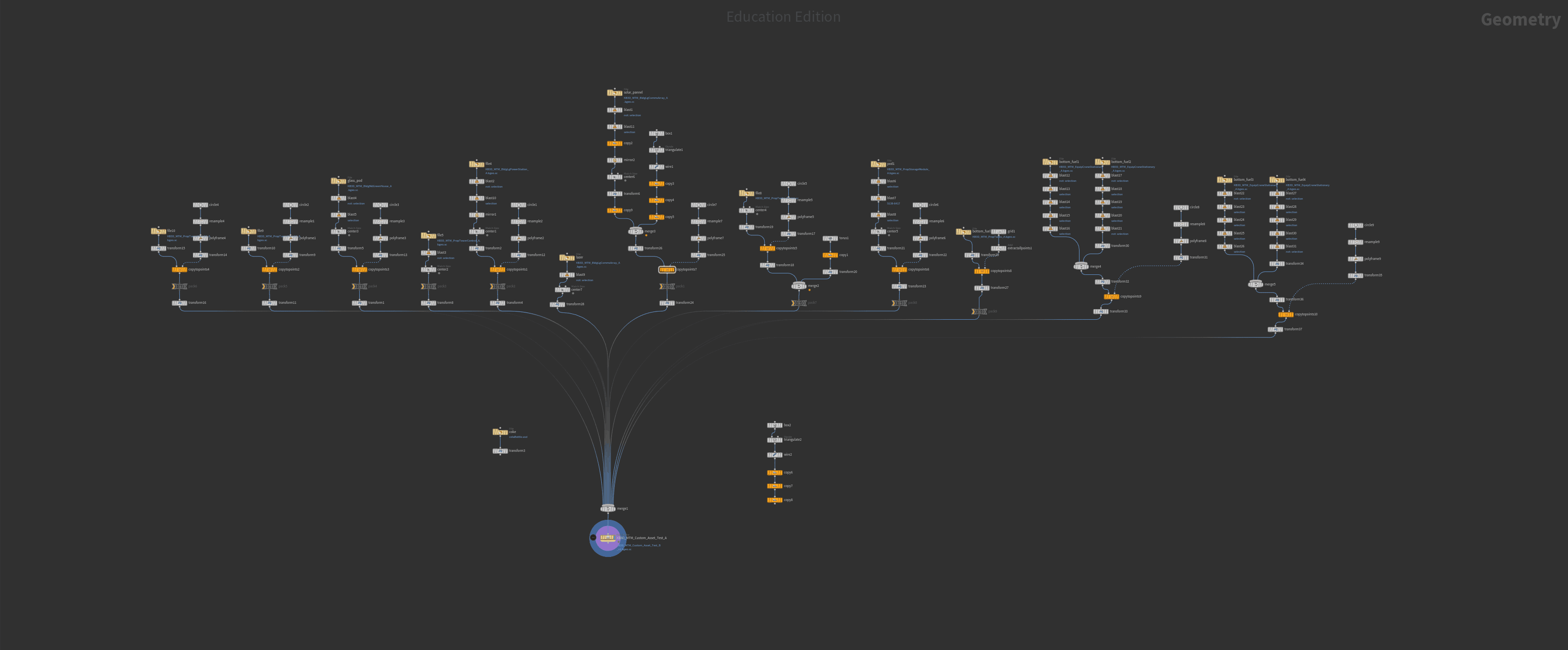
Node tree of all my kit-bashed elements being isolated from their models arranged into the space station and then saved to disk
I started by isolating the part of the model I wanted, using a Blast node to remove everything else. From there, I figured out an interesting way to integrate it into the space station, using a circle and a Scatter-on-Points setup to array the piece in a circular pattern around the bottle. I repeated this process with several other components to build up the station’s overall detail and complexity.
Building on the provided model, I introduced subtle enhancements—such as refined sci-fi paneling—to seamlessly integrate the Coca-Cola bottle into the futuristic environment, ensuring it maintained a crisp, fresh, and unmistakable presence in every scene.
Is this how god felt?
One major undertaking was creating the planet from the ground up—a slightly alien world, not quite Earth, designed to provide scale and add a sense of awe to the scene.
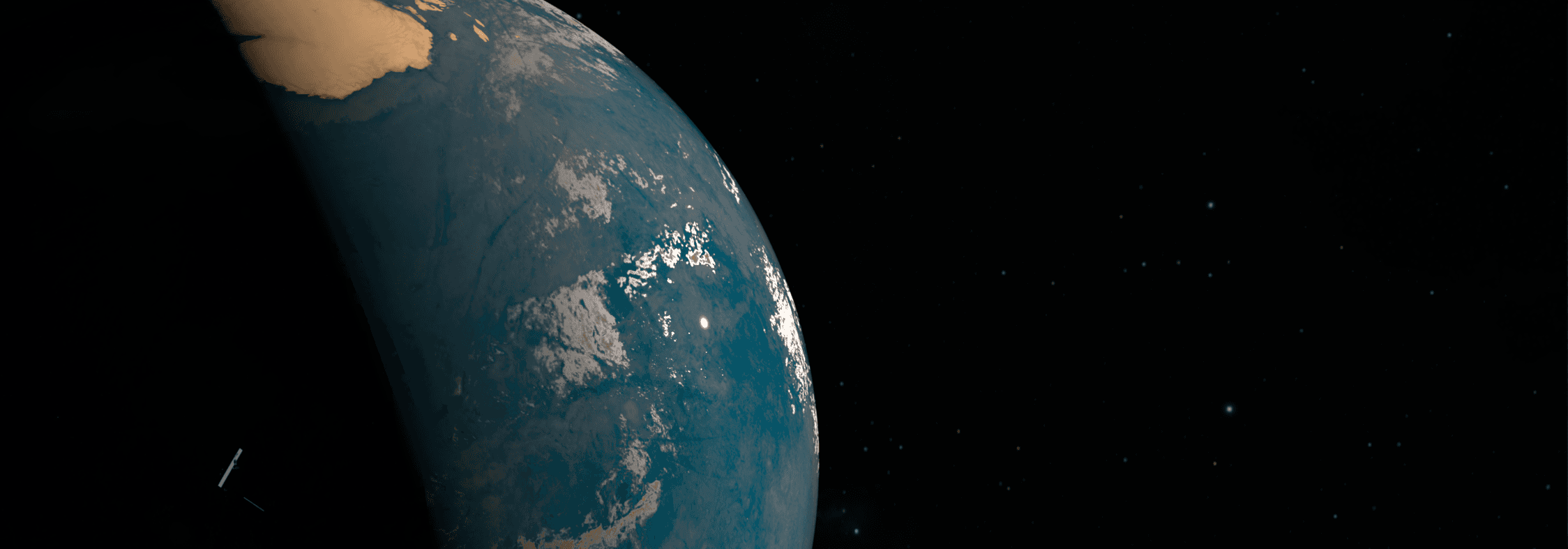
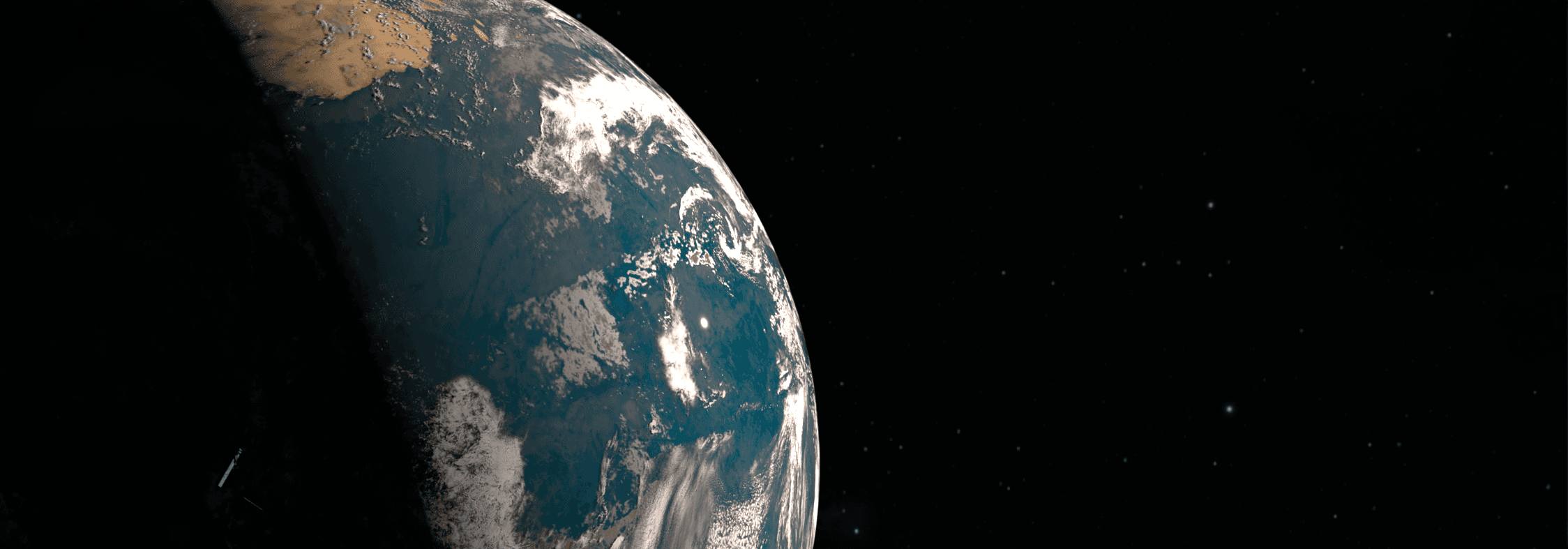
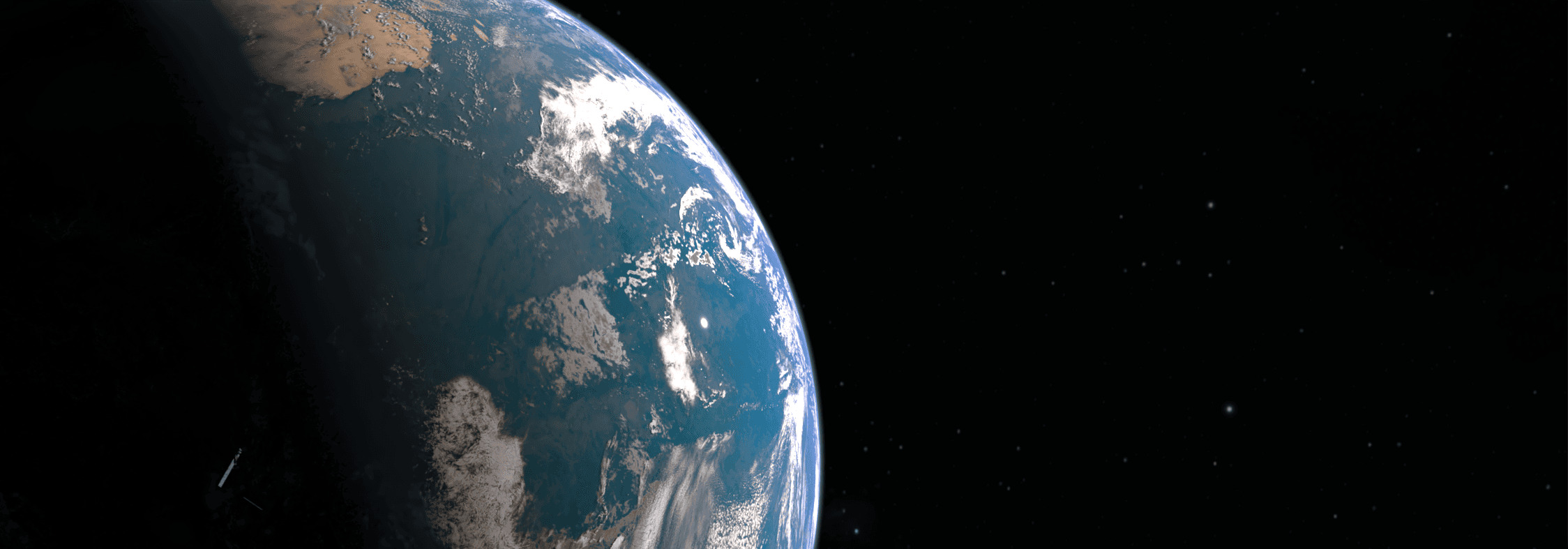
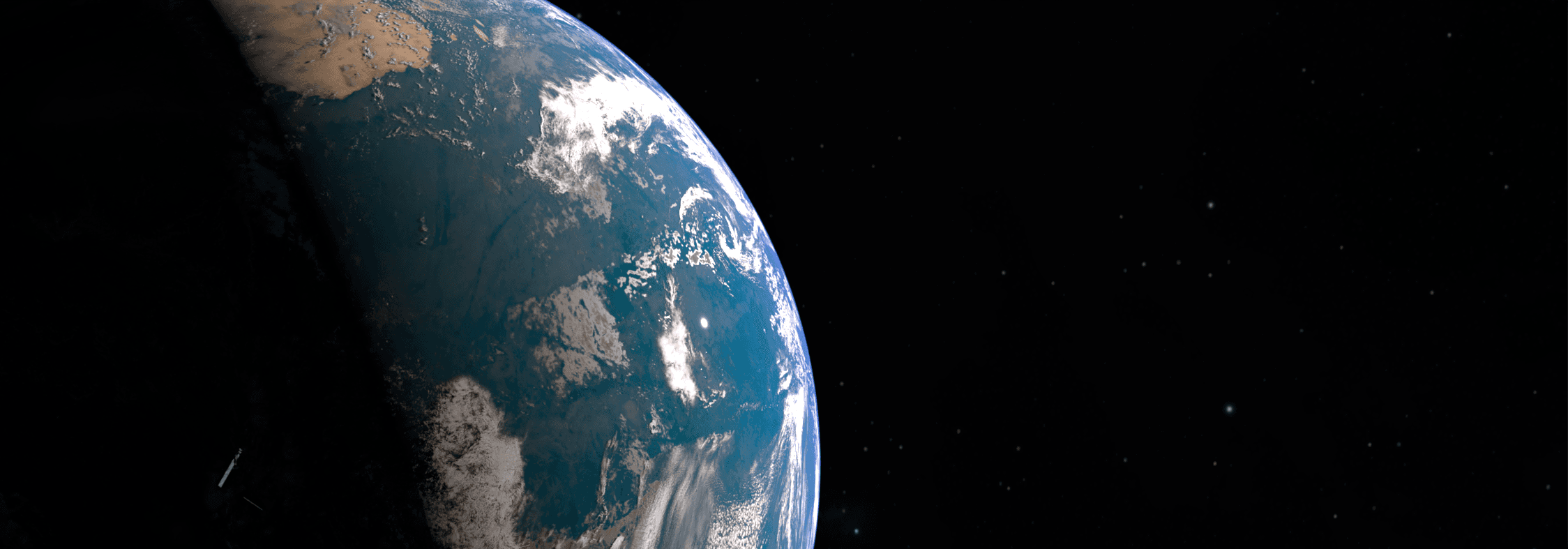
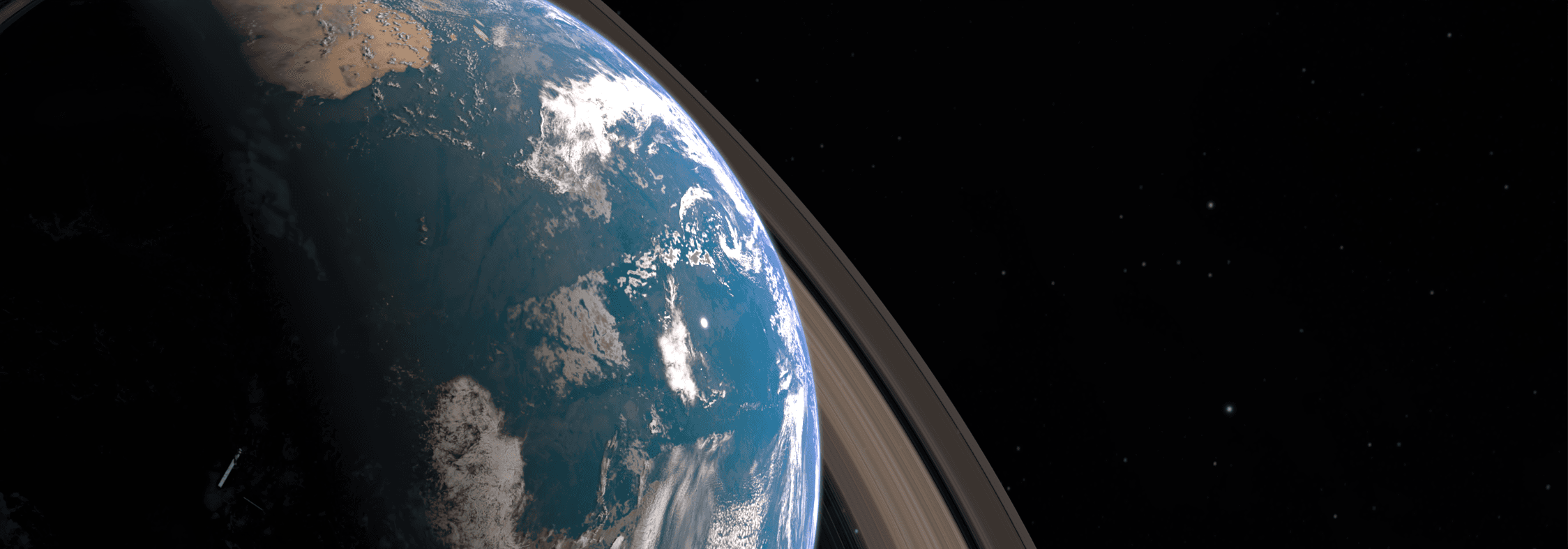
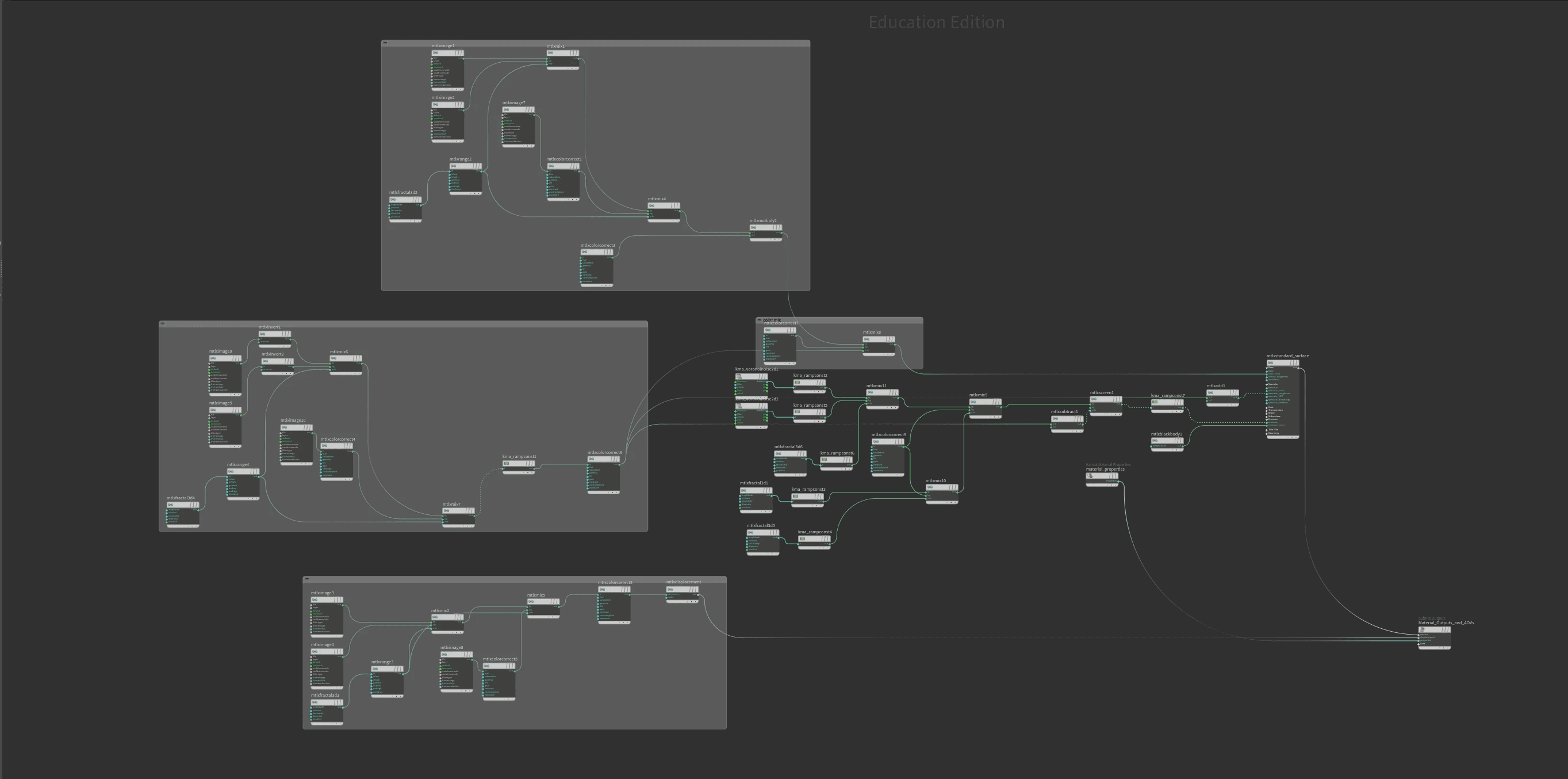
semi procedural planet shader in karama distorting planet images and using gradient ramps to mask out areas
The planet was built by layering textured spheres to simulate its different elements—clouds, atmosphere, and the planetary surface. The base layer took the most time, since it required blending multiple textures to create the reflective water, natural ground colors, and the city lights on the night side. The cloud layer was simply a texture mapped into the opacity output, while the atmosphere combined a Fresnel node for those vibrant blue edges at glancing angles with a volume pass to catch and scatter the light.
" height="36px" id="g_z7TN_4a" width="37px"/></svg>)